DevOps & Automation

Driving Rapid Innovation and Time to Market by Embracing the Paradigm Shift to a DevOps Approach and Microservices-Based Architecture

What is DevOps?

DevOps is a set of practices that automates the processes between software development and IT teams, in order that they can build, test, and release software faster and more reliably. The concept of DevOps is founded on building a culture of collaboration between teams that historically functioned in relative siloes.

  • Collaboration and Trust by faster feedback and with Culture as first success factor
  • Faster Releases with higher quality and stability
  • Better preparation for unplanned work

What do you acquire?

Culture

The number one key success of embracing a DevOps approach is Culture. We mean with this that all the tooling and automation part is useless without a strong mindset of collaboration within the company. With this approach there is no such thing as production, everything we do is focused on improving customer experience. DevOps teams apply agile practices and include operations in the team responsibility. We work in small batches, focus on improving the end-to-end delivery of customer value, and strive to eliminate waste and impediments along the way. There are no silos and no blame game, because the team is mutually accountable.

Automation

Doing Automation eliminates repetitive manual work, yields repeatable processes, and creates reliable systems. Build, test, deploy, and provisioning automation are typical starting points for teams who don’t have them in place already. Teams new to automation usually start with continuous delivery: the practice of running each code change through a gauntlet of automated tests, often facilitated by a cloud-based infrastructure, then packaging up successful builds and promoting them up toward production using automated deploys. As you might guess, continuous delivery is not a quick and easy thing to set up, but the return on investment is well worth it.

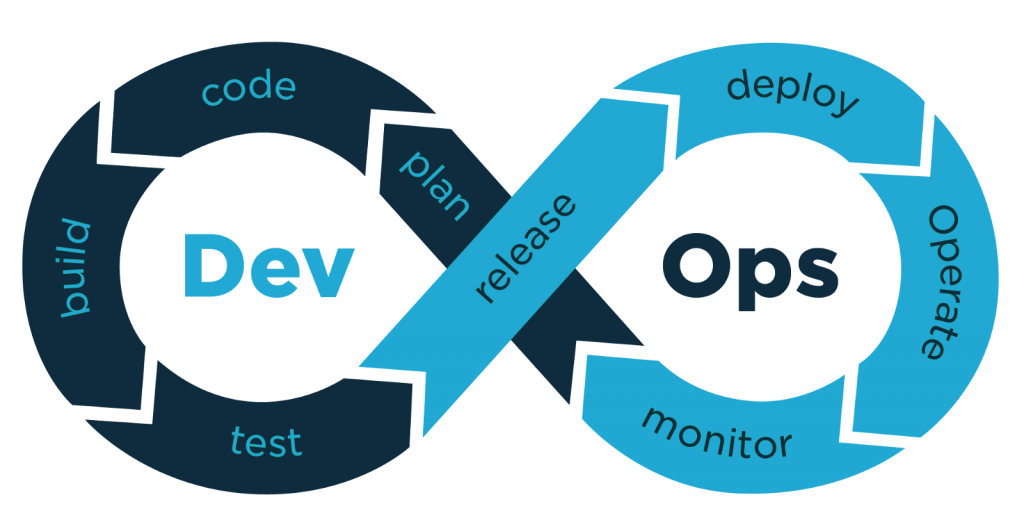
Lean

When we hear “lean” in the context of software, we usually think about eliminating low-value activities and moving quickly – being scrappy, being agile. Even more relevant for DevOps are the concepts of continuous improvement and embracing failure. A DevOps mindset sees opportunities for continuous improvement everywhere. Some are obvious, like holding regular retrospectives so your team’s processes can improve. Others are subtle, like A/B testing different on-boarding approaches for new users of your product.


devoops

DevOps Transformation

web-programming

Modern IT Architechture

rocket

Accelerate Software Delivery

1 x
more frequent software deployments than their competitors
1 x
faster recovery from failures
1 x
faster lead time for changes

At its essence, DevOps is a culture, a movement, a philosophy.